Schedule a Driving Lesson for Road Confidence
Rule the Road: Leading Driver Training Courses and Tutorials for Novice Drivers
Maneuvering the path of becoming a proficient driver can be overwhelming for new students. Picking the right driving class is essential, as it impacts the foundation of their driving education. Numerous options exist, from one-on-one instruction to digital programs. Each offers distinct benefits suited for individual needs. Understanding what to expect in beginning lessons and essential skills is critical. However, the primary question remains: how can new drivers guarantee they are truly prepared for the road to come?
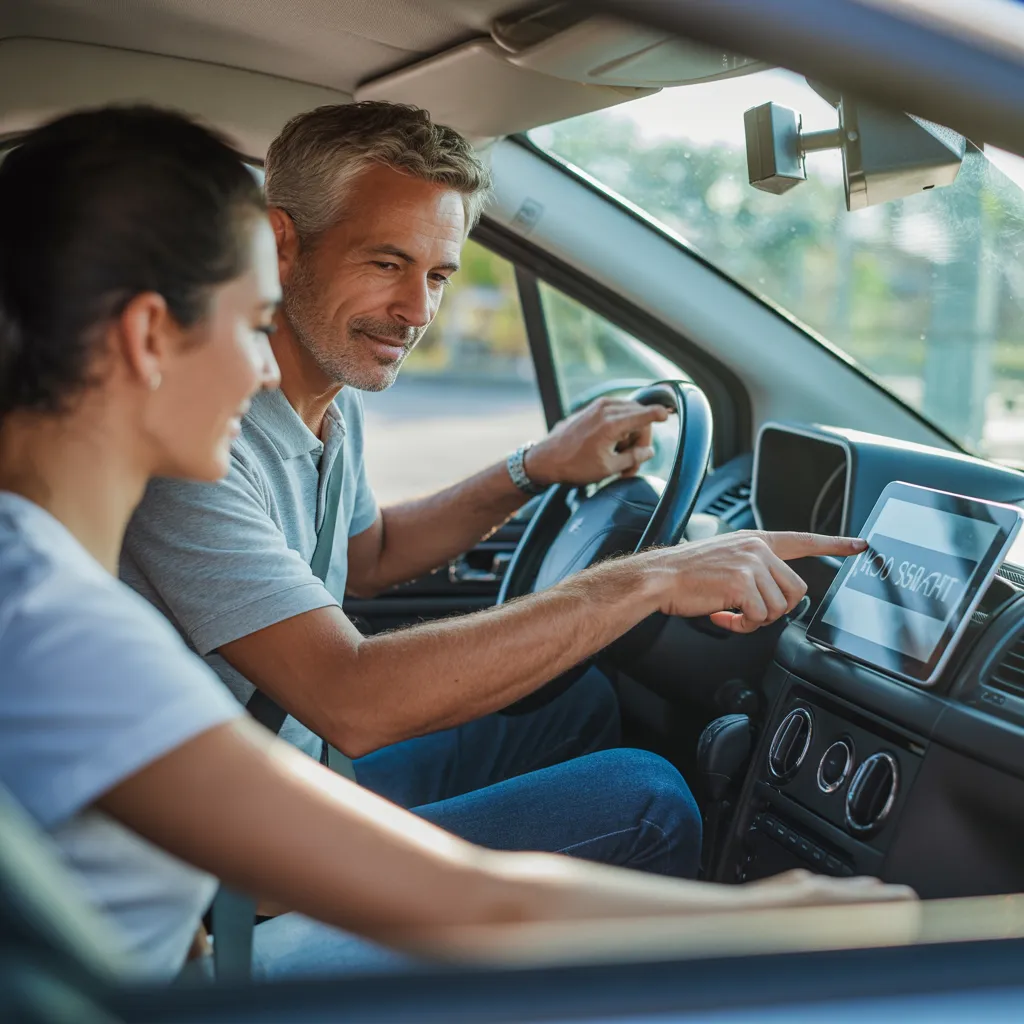
How to Choose the Right Driving Class for Your Needs
How can someone find the right driving course to address personal goals? Finding the ideal driving program requires assessing specific factors, such as previous knowledge, personal learning preferences, and schedule flexibility. Those new to driving should think about whether they prefer in-person or online instruction, as well as the convenience of class timing. In addition, assessing the reputation of driving schools through testimonials and word-of-mouth can provide insight into their effectiveness.
Cost is another important consideration, since understanding the fees associated with different programs ensures the decision fits within financial constraints. Furthermore, prospective students should ask about the credentials of teachers, as seasoned educators can greatly enhance the learning experience. Finally, aspiring road users should pinpoint any specific skills they want to focus on, such as motorway driving or hazard awareness. By systematically analyzing these elements, people can reach an informed decision that aligns with their specific driving ambitions and needs.
What Are the Different Types of Driving Lessons?
In exploring the numerous types of driving lessons available, new drivers can choose from individual driving lessons, classroom courses, or web-based instruction. Each alternative presents its own advantages depending on individual learning preferences and schedules. Knowing these variations is critical for identifying the best method for developing driving proficiency.
Individual Driving Lessons
A great number of novice drivers look for personal driving tuition to gain confidence and skill behind the wheel. Such lessons generally offer one-on-one instruction, facilitating individualized training adapted to every learner's specific needs. Instructors often adapt their teaching methods according to the student's progress, focusing on particular challenges, like parallel parking or driving on busy roads.
Individual driving lessons are available in different length, regularity, and difficulty, rendering them appropriate for those who prefer an adaptable timetable or need thorough preparation before a driving test. Moreover, certain driving academies provide specialized lessons, such as protective driving techniques or readiness training for targeted certification tests. In summary, personalized driving sessions serve as a valuable resource for new drivers aiming to improve their driving skills and road safety knowledge.
Driving Classes for Groups
What choices are available to new drivers regarding group driving classes? Group driving classes create a shared learning environment where numerous participants receive guidance together. These programs commonly incorporate classroom instruction covering road rules, safety procedures, and vehicle management. Attendees subsequently participate in real-world driving practice under the oversight of a qualified driving instructor.
Multiple formats exist for group classes, ranging from community-based programs to those offered by driving schools. Some classes may focus on specific demographics, like teenagers or older adults, while some are open to new drivers of every age. These programs not only impart fundamental driving skills but also foster a sense of camaraderie among participants, enriching the educational journey for all involved.
Virtual Driving Classes
Even as in-person driving classes stay in demand, online driving courses have emerged as a practical option for new drivers aiming to acquire key driving knowledge. These courses commonly address a range of topics, including traffic laws, safe driving techniques, and hazard recognition. Offered in multiple formats, they often include instructional videos, engaging quizzes, and printable materials. Some programs even provide real-time instructor assistance, giving students the ability to address concerns as they arise. Additionally, online courses are designed to accommodate personal timetables, making them a great fit for learners with limited availability. Although they cannot fully replace the practical experience of in-person driving sessions, many online courses complement practical driving sessions, delivering a well-rounded method of learning to drive. Their flexibility makes them a popular choice among aspiring drivers.
What You Can Expect During Your First Driving Lesson
In a novice driver's first session, the instructor typically introduces the automobile's controls and explains critical safety protocols. This foundational overview helps students understand the importance of safety while behind the wheel. As they begin to practice, new drivers will likely concentrate on elementary driving skills and situational awareness.
Opening Lesson Breakdown
Curious about what your first driving lesson will cover? Beginners can anticipate a structured introduction to the vehicle and core driving skills. Usually, the instructor starts with a quick overview, explaining the car's controls and safety features. New drivers will discover how to set up mirrors, secure seatbelts, and interpret dashboard displays. The session typically includes a emphasis on essential skills such as starting the engine, steering, and braking. Driving coaches Driving School regularly stress the significance of staying focused and obeying traffic signs. By the end of the session, students may practice driving in a safe, open area, steadily developing their self-assurance. Overall, the first lesson serves as a essential starting point, designed to ease beginners into the world of driving.
Important Safety Guidelines
Once the introductory lesson on vehicle orientation and essential maneuvers is complete, new drivers need to understand important safety guidelines to ensure a safe driving experience. To begin with, they should always fasten their seatbelts and ensure every passenger follows suit. Understanding the vehicle's controls, including headlights, wipers, and turn signals, is vital for effective communication on the road. Maintaining a safe following distance helps prevent collisions, while being mindful of speed limits enhances safety. Beginning drivers are encouraged to stay focused on the road, refraining from using distracting devices such as mobile phones. Finally, practicing defensive driving techniques—anticipating potential hazards and being prepared to react—will greatly improve their chances of safe driving. Adhering to these principles establishes a strong basis for developing responsible driving habits.
Important Skills Every New Driver Should Learn
Mastering essential driving skills is essential for new drivers as they navigate the complexities of the road. Most importantly, new drivers must build competence in smooth steering, braking, and acceleration to maintain control. Understanding traffic signs and signals is just as crucial, as it guarantees compliance with road regulations. New drivers should also master the art of proper lane changes and merging techniques, which are vital for secure road travel.
Moreover, parking competencies, such as parallel parking and handling restricted spaces, strengthen overall driving competence. Defensive driving methods are essential for foreseeing dangers and responding correctly to other drivers. Beginning drivers should also become acquainted with their vehicle's controls and features, which include headlights, windshield wipers, and hazard signals.
Finally, honing these competencies instills confidence, empowering new drivers to make well-informed choices and enhance overall road safety. Emphasizing these competencies sets a solid foundation for lifelong responsible driving habits.
Comparing Online vs. In-Person Driving Lessons
As novice drivers evaluate their alternatives for education, the choice between online and in-person driving lessons becomes a crucial decision. Web-based driving instruction delivers adaptability, permitting pupils to progress according to their own timeline. These lessons often include multimedia content, interactive exercises, and evaluations that address diverse educational approaches. However, the shortage of live instruction and physical practice may hinder some learners.
By comparison, face-to-face driving lessons offer direct interaction with instructors, facilitating prompt feedback and individualized instruction. This hands-on approach can help build essential skills more effectively, as students practice in real driving conditions. Furthermore, hands-on lessons encourage a greater sense of responsibility and commitment.
In the end, the final call is influenced by each learner's educational preferences, schedules, and confidence levels. A blended method, incorporating both web-based theoretical instruction and hands-on practice, is likely to deliver a comprehensive solution for many new drivers, guaranteeing a thorough understanding of core driving principles.
Key Techniques for Building Confidence While Driving
Gaining confidence as a driver is a critical part of developing strong driving abilities, especially for individuals who have recently wrapped up their driving courses. A highly beneficial approach is to build experience through frequent practice in different locations, including busy streets, highways, and quiet neighborhoods. Such varied experience allows new drivers to adapt to diverse road situations. An additional effective strategy is to establish realistic milestones, such as perfecting reverse parking or navigating busy intersections, which can boost their overall confidence and satisfaction.
In addition, driving with a supportive friend or family member can deliver reassurance and valuable input, which helps reduce nervousness. New drivers also benefit greatly from familiarizing themselves with vehicle controls and safety features, fostering a deeper understanding of their car. As a final point, adopting a constructive outlook and imagining positive driving outcomes can substantially enhance confidence. Collectively, these methods build a reliable groundwork for new drivers, empowering them to tackle the road with heightened self-assurance.
Setting Yourself Up for Driving Test Success: Essential Tips
Even though the thought of taking a driving test may seem overwhelming, adequate preparation can significantly improve a new driver's likelihood of passing. To begin with, studying the driving handbook is crucial, as it contains vital information about road signs, rules, and regulations. Arranging practice sessions with a certified instructor can assist in developing key skills, such as parallel parking and lane changes. Additionally, new drivers should familiarize themselves with the testing route, if possible, to reduce anxiety on the test day.
An additional key consideration is employing defensive driving strategies, which can impress examiners. On your test day, it's wise to arrive early, allowing sufficient time to calm your nerves and gather your thoughts. Staying composed during the entire examination is essential; feeling stressed can cause unnecessary slip-ups. Lastly, showing self-assurance and communicating clearly with your examiner can leave a positive impression, ultimately helping you achieve a successful test result.

Common Questions and Answers
How Much Do Driving Classes Typically Cost?
Driving classes usually fall between $50 to $150 per session, based on the instructor and area. Multi-session packages may reduce the overall cost, while extra charges for study materials or licensing can increase the overall expense.
Can I Take Driving Lessons if I'm Under 18?
That's correct, teens under 18 are eligible to participate in driving lessons. Many driving schools have programs specifically designed for young drivers, usually including a variety of in-class learning and practical driving sessions to guarantee comprehensive education and awareness of safe practices.
What Do I Need to Bring to My Driving Lessons?
A driving student must carry a valid learner's permit, a notepad for taking notes, appropriate and comfortable attire, and all necessary documentation. Additionally, having a writing utensil, hydration, and light snacks can enhance the overall driving lesson experience.
Do We Offer Any Discounts for Group Lessons?
Numerous driving institutions extend discounts for group classes, encouraging family members or friends to take lessons together. Such discounts can vary, so it's advisable for people to contact the specific driving school for additional details.
How Much Time Is Needed to Finish Driving Lessons?
On average, completing driving lessons takes approximately 4 to 6 weeks, based on the individual's schedule and how many classes are attended each week. Factors such as prior experience and learning pace also influence this duration.